News
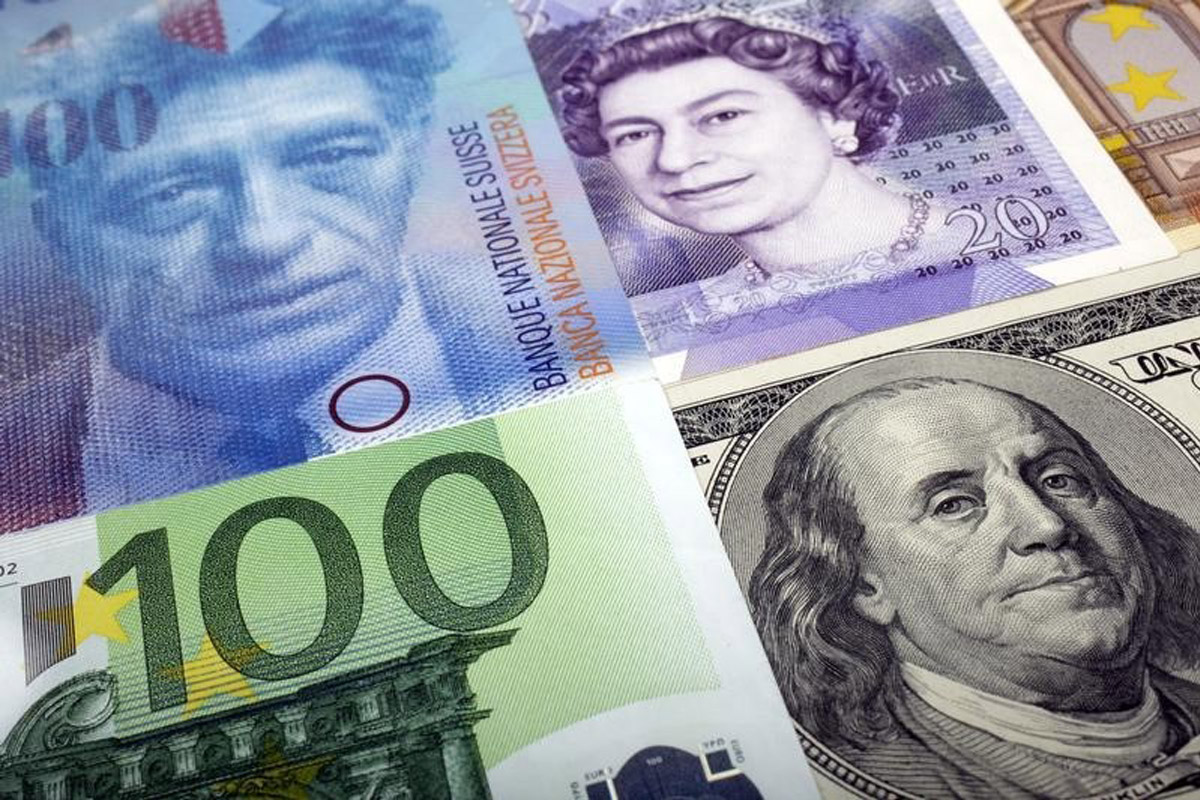
Dollar edges up, euro and sterling slip after central banks hold rates steady
The U.S. dollar edged higher Thursday, regaining some strength this week amid volatility in stock markets, while the euro and sterling were in focus after central bank rate decisions.
At 13:43 ET (18:43 GMT), the Dollar Index, which tracks the greenback against a basket of six other currencies, traded 0.2% higher to 97.77, near a two-week high and extending its rebound from near four-year lows.
Equities volatility helps dollar
Volatility in global equity markets, largely on the back of concerns over inflated artificial intelligence spending, has seen traders return to the safe haven of the dollar.
“A more difficult equity environment would typically see a flight from risk and a flight from procyclical currencies into the dollar. That is what is probably lending the dollar a little support this week,” said analysts at ING, in a note.
“It is very hard to say that this U.S. tech correction has legs, but a fully invested buy-side does look vulnerable to any bad news.”
The greenback received a boost late last week with the nomination of Kevin Warsh to be the head of the Federal Reserve, with the market expecting he will be less dovish than markets were expecting.
Private payrolls showed a cooling in U.S. labor market, but the recent brief government shutdown means that the release of crucial employment data, due on Friday, will be delayed.
Still, there were several soft labor market indicators published on Thursday. Job cuts in January jumped to their highest for that month since 2009. Initial jobless claims came in higher than anticipated, while December job openings disappointed.
Euro, sterling take the spotlight
In Europe, EUR/USD traded 0.1% lower to 1.1799, after the European Central Bank keep interest rates on hold as widely expected.
The ECB’s Governing Council assessed that inflation should stabilize at its 2% target in the medium term, while citing a resilient economy in a "challenging global environment."
Data released earlier this week showed that eurozone CPI inflation eased to 1.7% year-on-year in January, down from 1.9% in December.
"This is one of those occasions when central banks need a good sense of balance to weigh the negatives against the positives. Leaving policy rates unchanged feels the right thing to do. There are external vulnerabilities, but there is also domestic resilience, helped in part by Germany’s defence and infrastructure spending," Mark Wall, chief European economist at Deutsche Bank, said.
Meanwhile, GBP/USD traded 0.9% lower to 1.3544. The Bank of England also kept its benchmark interest rate unchanged at its policy meeting, with the Monetary Policy Committee (MPC) saying that it expects inflation to be back to its 2% target this spring.
"Today’s decision was not really about a rate cut - though this was a lot closer than we anticipated. Instead, today’s meeting was about positioning within the MPC. Trade-offs across the economy are rising. And this is adding to the MPC’s consternation around how restrictive policy remains," Sanjay Raja, chief UK economist at Deutsche Bank, said.

We are a full‑service advisory options brokerage firm. In today’s fast‑paced commodities markets, it can be challenging to find an advisory partner committed to helping you fully understand both the potential profit opportunities and the inherent risks. Our focus is on providing the guidance and insight you need to navigate these complex markets with confidence.
Client Login
Company Contact
- Toll Free Number US/Canada + 1-888-770-6848
- US/ Canada Number +1-315-978-6520
- United Kingdom Number +44-203-769-0396
- info@ibsfinancials.com
- Balboa Avenue, Plaza Balboa Building, Suite No. 416, Panama City, Panama.